



The cross-chain infrastructure sector faced another major security incident after MAP Protocol and its Butter Network bridge infrastructure were reportedly exploited, leading to the unauthorized minting of an enormous quantity of MAPO tokens.
According to Blockaid, a blockchain security detection firm, posted on X that attackers took advantage of a flaw in Butter Bridge’s cross-chain validation, allowing the creation of around 1 quadrillion MAPO tokens.
Exploit Targeted Butter Bridge Validation Logic
PeckShield also reported and flagged suspicious minting activity involving the Butter Bridge V3.1 “OmniServiceProxy” contract deployed across Ethereum and BNB Smart Chain ecosystems.
Initial reports indicate the attacker may have bypassed or spoofed cross-chain message validation mechanisms, enabling the protocol to accept fraudulent bridge instructions. The exploit allegedly minted tokens directly from the zero address into an externally controlled wallet.
Cross-chain bridges typically rely on messaging systems that verify whether assets locked on one blockchain can legitimately be represented on another. If that verification layer is compromised, attackers can effectively create unbacked wrapped assets.
This architecture has historically been one of the most vulnerable areas in decentralized finance, with bridge exploits accounting for billions in cumulative losses across the industry.
MAPO Supply Shock Hit Market Liquidity
The reported mint of 1 quadrillion MAPO tokens vastly exceeded the project’s legitimate circulating supply, estimated at roughly 208 million tokens.
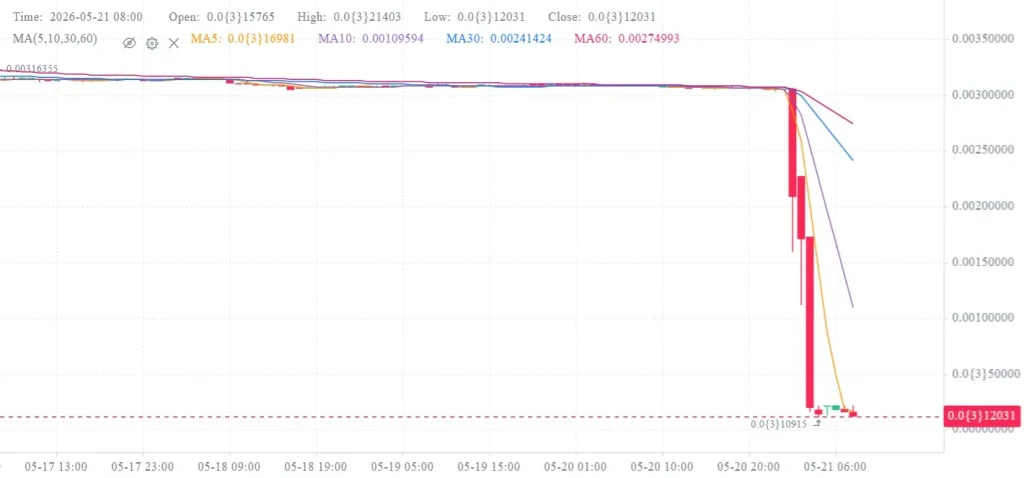
Following disclosure of the exploit, MAPO experienced sharp volatility across decentralized trading venues. Multiple reports stated the token fell nearly 30% immediately after the incident, while some market trackers observed even steeper intraday declines as liquidity pools became distorted by the inflated supply.
Attackers reportedly swapped part of the minted tokens into ETH through decentralized liquidity pools, extracting value before broader trading disruptions emerged.
Bridge Exploits Remain a Structural DeFi Risk
The incident adds to a growing list of cross-chain bridge attacks that have exposed weaknesses in interoperability infrastructure.
Recent bridge-related exploits across the crypto sector have commonly involved forged messages, compromised validator systems, or flawed verification logic that allowed unauthorized withdrawals or minting events.
Historically, bridge attacks affecting protocols such as Wormhole, Nomad, and BNB Chain’s Token Hub demonstrated how failures in cross-chain authentication can rapidly cascade into liquidity crises.
MAP Protocol has previously positioned its infrastructure around light-client-based interoperability and decentralized cross-chain verification models intended to reduce reliance on centralized bridge operators. However, details surrounding the exact root cause of the latest exploit remain limited at the time of publication.
Industry Pressure Intensifies on Bridge Security
The exploit arrives amid broader scrutiny over bridge security standards in DeFi. Community discussions increasingly argue that traditional lock-and-mint bridge architectures create concentrated honeypots that remain difficult to secure at scale.
Security analysts continue to push for stronger message verification frameworks, decentralized validator configurations, immutable core contracts, and reduced upgradeability risks in bridge systems.
As of writing, neither the full financial impact nor a finalized technical post-mortem had been publicly released by the MAP Protocol team.