


Bitcoin’s breakout above $73,000 has once again positioned it as the dominant force in digital assets. But while price action grabs headlines, ETF flows reveal a deeper structural divide between Bitcoin and Ethereum — one that’s shaping institutional positioning for the rest of the year.
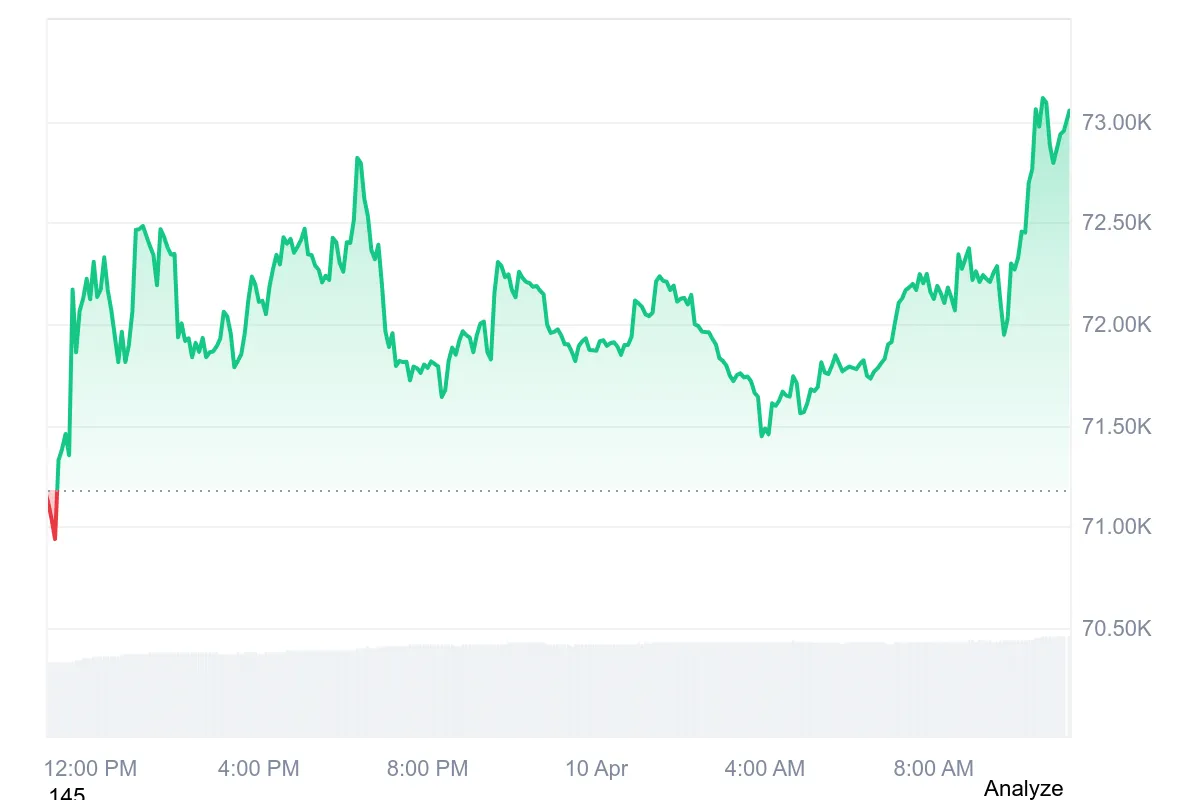
Bitcoin ETFs: Inflows Stay Strong Despite Volatility
Spot Bitcoin ETFs just saw about $471 million in one day of net inflows, the strongest daily intake in weeks and a clear sign that institutional demand has picked up again.
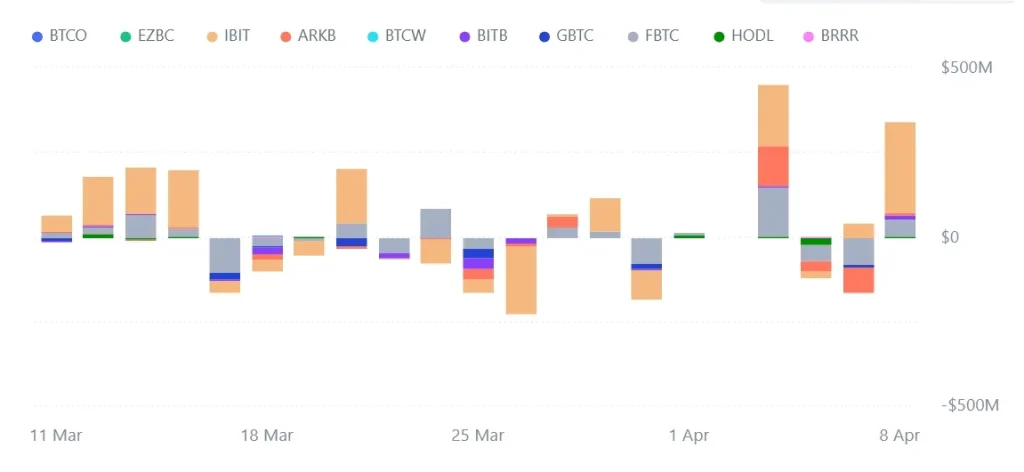
The iShares Bitcoin Trust (IBIT) — now the largest and most liquid Bitcoin ETF — continues to post consistent year‑to‑date net inflows, even as Bitcoin’s price has seen multiple pullbacks and category-wide ETF assets briefly contracted. This resilience is not accidental; it reflects a shift in how professional allocators view Bitcoin.
This resilience signals a clear institutional stance:
- Bitcoin is being treated as a macro asset, not a speculative trade
- Dips are being accumulated, not avoided
- ETF flows are becoming a real‑time sentiment indicator for professional allocators
IBIT’s consistency suggests long‑horizon investors are positioning for structural adoption rather than short‑term price swings.
Ethereum ETFs: Outflows Reflect a More Cautious Market
While Bitcoin is down roughly 20% year‑to‑date, Ethereum has fallen closer to 28%, and ETF flows reflect that underperformance.
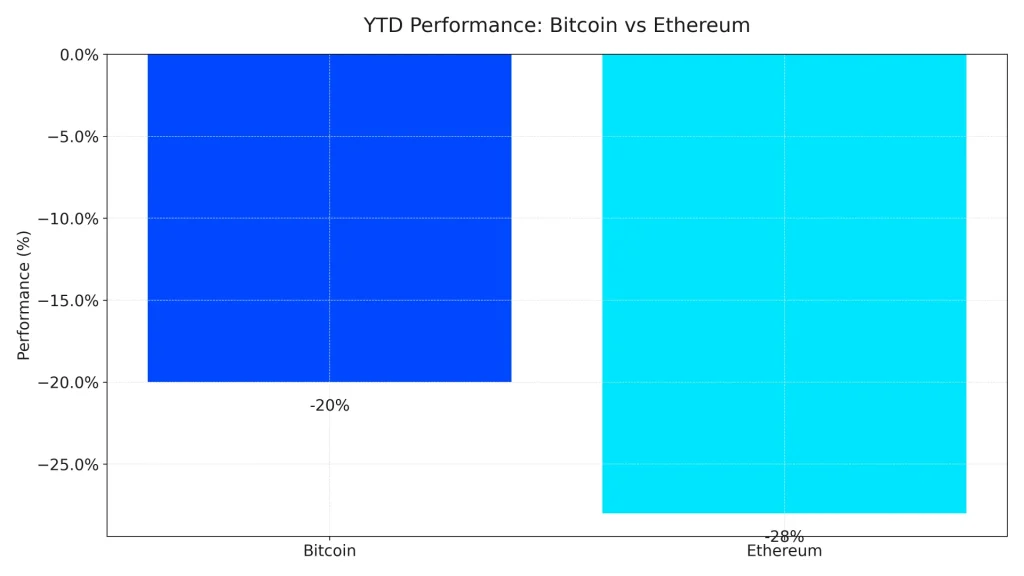
Ethereum’s ETF landscape is telling a very different story;
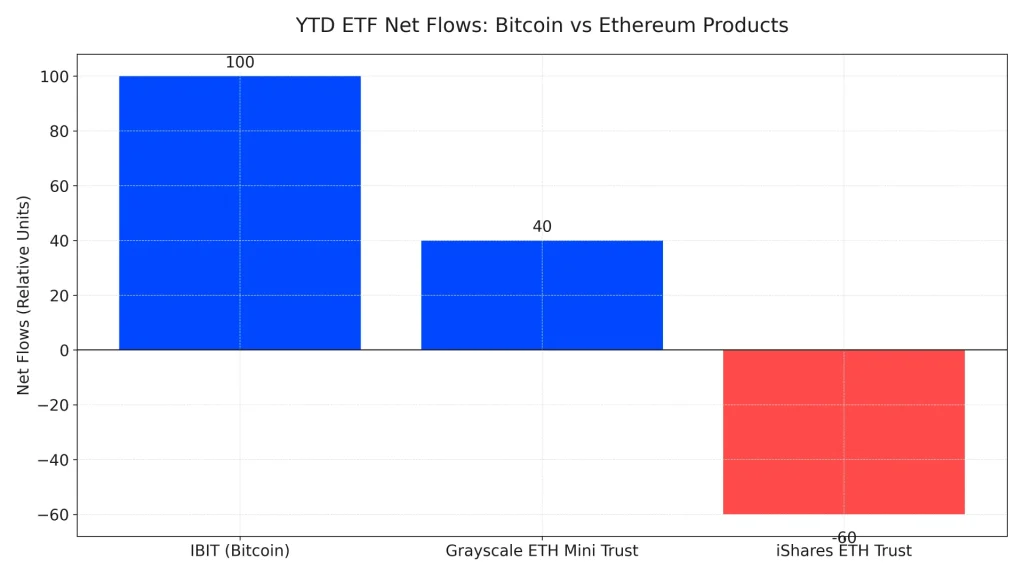
Grayscale Ethereum Mini Trust has seen meaningful inflows, likely driven by lower fees and cost‑sensitive investors. While iShares Ethereum Trust ETF — Ethereum’s flagship equivalent to IBIT — is experiencing net outflows
This divergence highlights a broader sentiment shift: while Bitcoin enjoys a clean, simplified narrative (digital gold, ETF‑driven demand, macro hedge), Ethereum’s investment case remains more complex and tied to network fundamentals, scaling, and competition.