

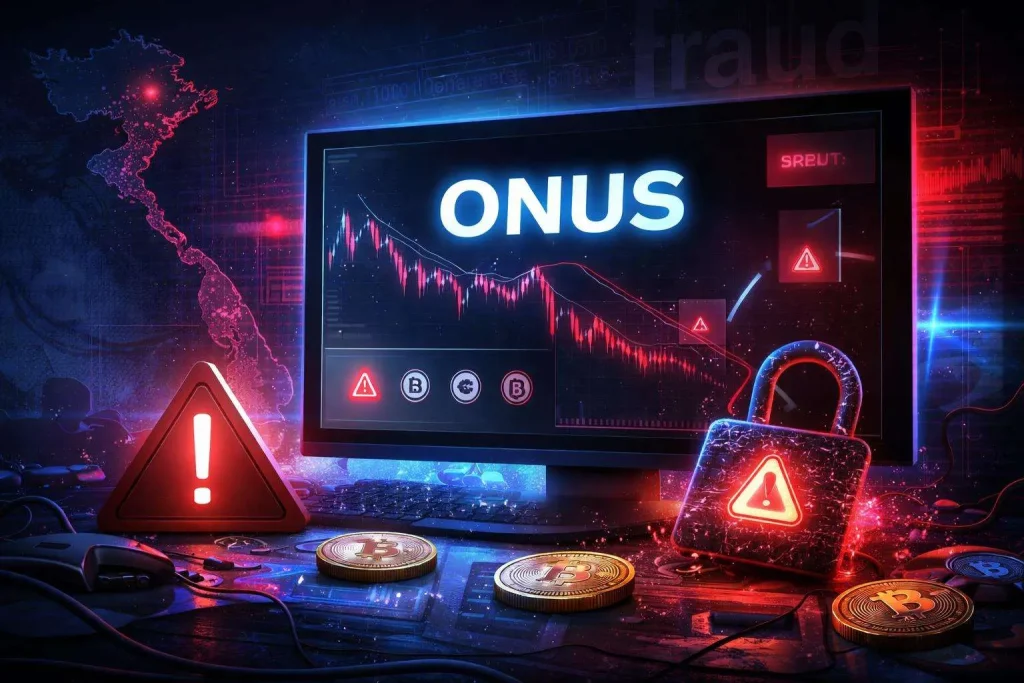
The recent revelation of the ONUS platform an alleged multi-billion-dollar fraudulent crypto scheme in Vietnam is a clear warning, just like many other fraudulent crypto platforms that came before it, such as FTX and Celsius. Which took advantage of gaps in regulation and investors’ lack of knowledge in a digital asset market that is growing quickly but is still very underdeveloped. The alleged fraud is so significant that it needs to be looked at in detail, especially since Vietnam is a world leader in crypto adoption.
The Architecture of Deception
The operational blueprint of the ONUS scheme, as alleged by Vietnamese authorities, reveals a calculated strategy designed to fabricate value and manipulate perception. Beginning as early as 2018, the perpetrators reportedly leveraged the burgeoning interest in digital assets to construct an elaborate facade. This was not a simple pump-and-dump; it was an sustained effort to create a seemingly legitimate ecosystem around proprietary tokens.
Fabricated Assets and Market Manipulation
At the core of the alleged fraud was the creation and issuance of multiple cryptocurrencies, including VNDC, ONUS, and HNG. These were presented to investors with misleading promotional content, designed to cultivate an illusion of trust and inherent value. Investigators contend that the group systematically manipulated supply and demand through coordinated trading activities, artificially inflating prices and volume. This created a deceptive market dynamic, where tokens appeared to be actively traded and appreciating, thereby luring new capital into a fundamentally unsound structure.
The objective was to present a volatile, speculative asset class as a stable, lucrative investment opportunity. Leveraging investor FOMO (Fear Of Missing Out) and the general lack of technical understanding. Further compounding the deception was the alleged centralized control over these token ecosystems. While blockchain technology espouses decentralization, the ONUS operation reportedly maintained a firm grip on its digital assets, allowing for unilateral adjustments to token prices and market conditions.
This inherent control starkly contrasts with the principles of transparent, free markets that legitimate cryptocurrencies aspire to. The discrepancy between the platform’s extensive claims of activity and the significantly smaller publicly reported market capitalization should have raised immediate red flags, yet millions of users engaged, highlighting a critical failure in due diligence and market scrutiny. The platform’s abrupt inaccessibility around March 20th merely underscored the fragility of this manufactured reality.
A Coordinated Enforcement Response
The investigation by Vietnam’s Ministry of Public Security exemplifies a determined, multi-faceted law enforcement effort against digital asset fraud. The scope of the crackdown underscores the gravity with which authorities are now approaching large-scale crypto schemes, moving beyond the previously ambiguous regulatory stance.
Nationwide Raids and Key Arrests
The investigation commenced with a nationwide sweep, involving coordinated raids and simultaneous searches across major cities including Hanoi, Ho Chi Minh City, Da Nang, Can Tho, and Dak Lak. This extensive operation involved the seizure of critical digital and physical evidence—computers, mobile devices, documents—and the questioning of over 140 individuals, indicating a deeply entrenched network.
Authorities have identified and arrested several prominent figures central to the alleged operation. Vuong Le Vinh Nhan, a fintech entrepreneur, is accused of leading the scheme. Tran Quang Chien was reportedly responsible for the ONUS exchange’s technical operations, while Ngo Thi Thao, director of HanaGold Jewelry Company, also played a significant role. These individuals are alleged to have been instrumental in the creation, promotion, and management of the fraudulent digital tokens, establishing a clear chain of command within the illicit enterprise.
The Peril of Unregulated Frontiers
This ONUS case is not an anomaly but a predictable outcome within a market characterized by high adoption rates and low regulatory oversight. Vietnam, with an estimated 17 million crypto users, ranks among the most active retail crypto markets globally, making its populace particularly vulnerable to sophisticated fraud schemes.
Regulatory Ambiguity and Investor Vulnerability
The current regulatory landscape in Vietnam, where crypto payments are restricted but investment and trading activities largely remain unchecked, creates a dangerous ‘grey area.’ This ambiguity provides fertile ground for illicit operations to flourish, as platforms can operate with minimal accountability, exploiting the gap between technological innovation and legal frameworks. Investors, often drawn by the promise of rapid, exponential gains, frequently overlook the fundamental principles of risk assessment and due diligence. The absence of clear investor protection mechanisms and robust regulatory enforcement means that when schemes collapse, the financial devastation for individuals can be profound, as evidenced by one victim’s reported loss of over US$15,000.
Implications and Future Imperatives
The formal charges of appropriating property through electronic means and money laundering against the suspects signal the seriousness of the legal repercussions. The Supreme People’s Procuracy’s approval of prosecution and detention orders indicates a firm intent to hold the perpetrators accountable and to mitigate further damage.
Legal Action and Asset Recovery
The ongoing investigation is meticulously focused on determining the full scale of financial losses, identifying additional accomplices, and crucially, recovering assets to compensate victims. Authorities have rightly urged affected investors to come forward, emphasizing the collective effort required to unravel the full extent of this complex financial crime. This case should serve as a powerful catalyst for a re-evaluation of Vietnam’s approach to digital asset regulation, moving towards a framework that balances innovation with investor protection and market integrity.